
Wood Knowledge
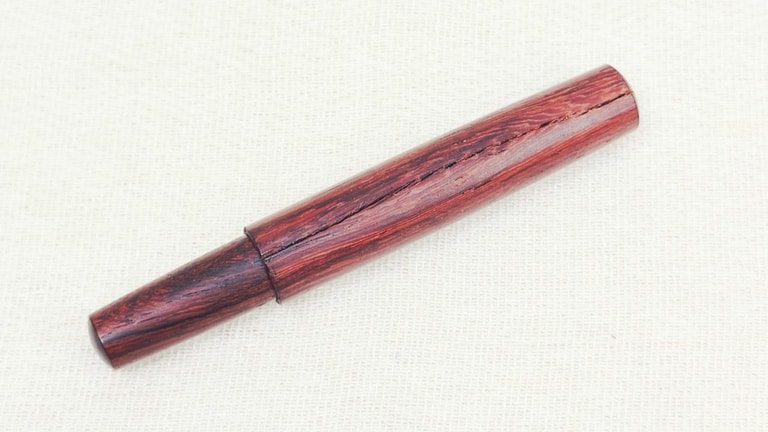
Do Wooden Fountain Pens Crack?
Wooden fountain pens can crack because wood continues to respond to moisture, temperature and its surroundings. Cracking may result from unsuitable wood, timber that has not dried properly, or hidden damage inside the material. Based on our experience, these risks can be reduced through careful wood selection, long periods of natural air-drying, inspection during machining and sensible everyday care. Our pens have been used in the severe winters of Northeast China and the very dry climate of Xinjiang without widespread cracking. Still, wood is not as uniform as metal or plastic. Owning a wooden pen means accepting its individual grain, small imperfections and natural character.
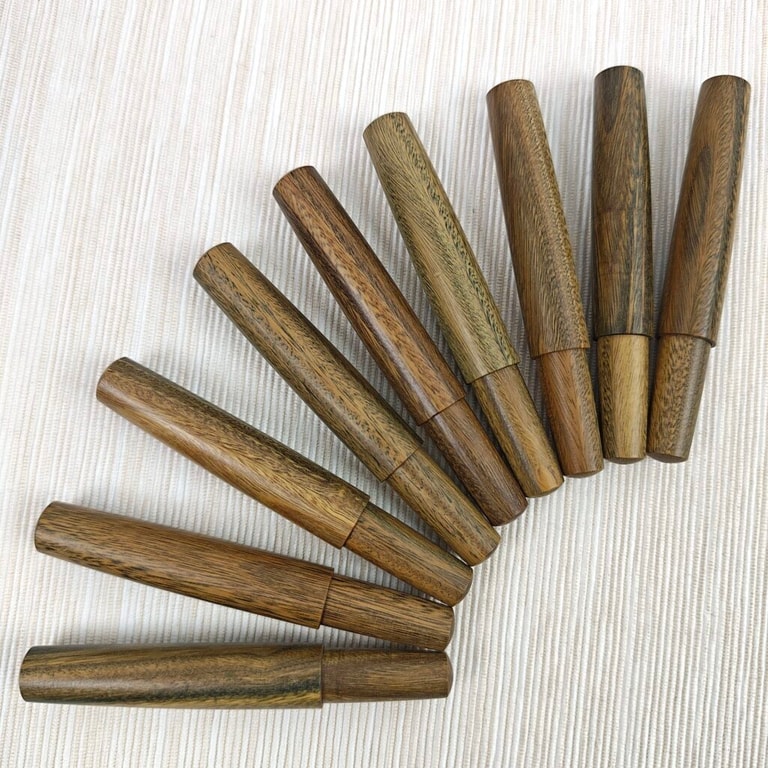
Green Sandalwood Fountain Pens: Why This Wood Feels Different in Your Hands
Green sandalwood offers natural oiliness, subtle fragrance, and color that develops with use, making it a distinct wooden pen material.
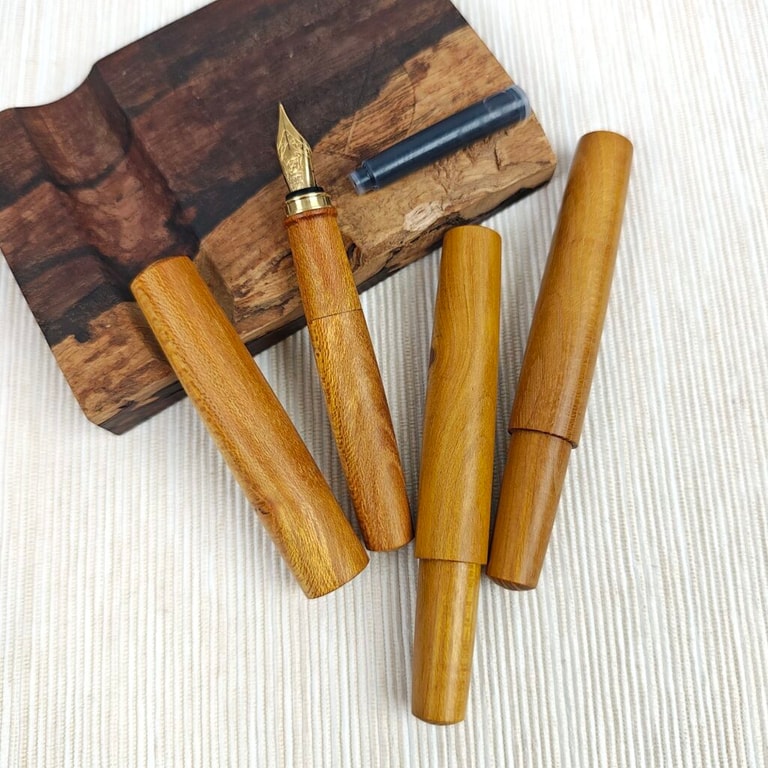
Golden Wood Fountain Pens: The Warm Glow That Surprised Everyone
Golden Wood, or Cudrania, brings warm color, subtle luminosity, and balanced weight to XiaoZhuo wooden fountain pens.
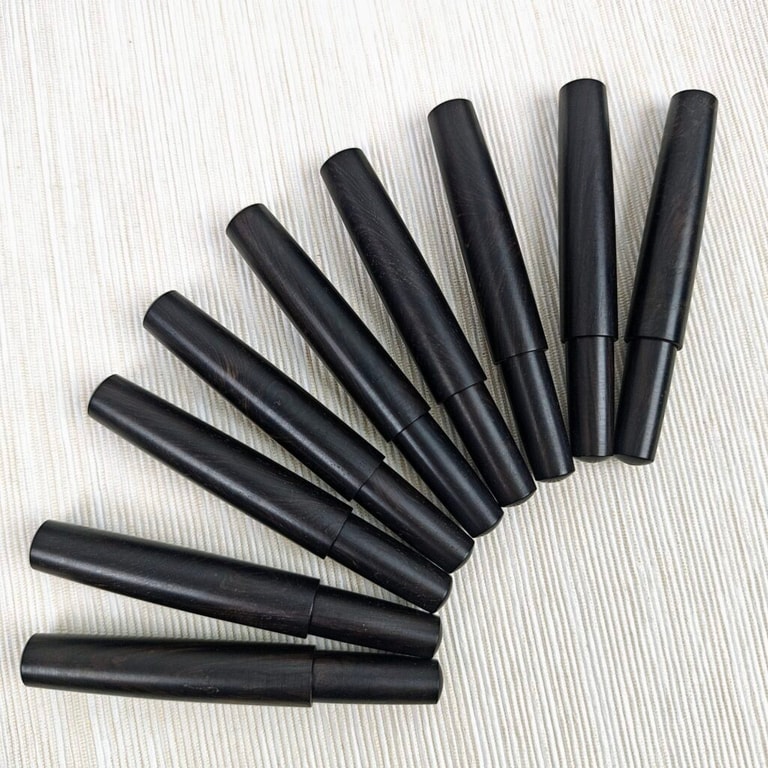
Ebony Fountain Pens: The Classic That Never Goes Out of Style
Ebony is dense, durable, formal, and timeless, with pure black and sapwood versions offering different visual character.
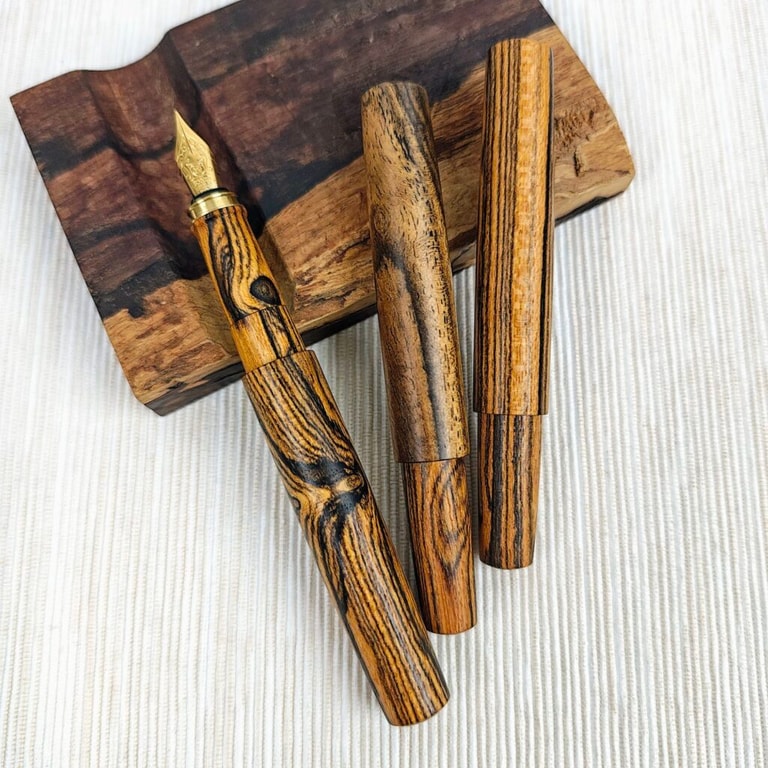
Bocote Fountain Pens: Central American Forest Treasures
A material guide to bocote: dramatic grain, substantial weight, strong durability, and why it works so well for fountain pens.
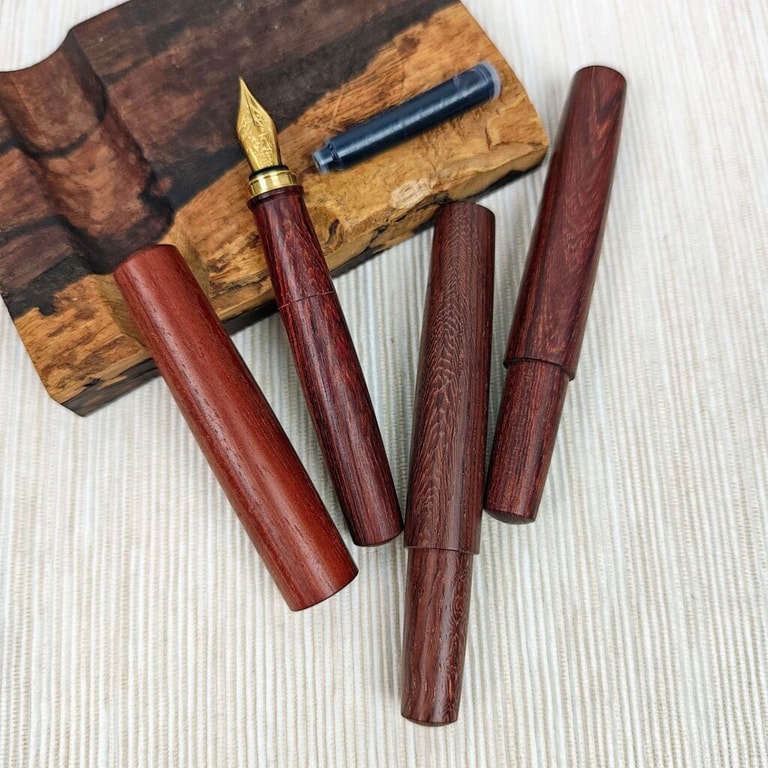
Red Pterocarpus Fountain Pens: When Wood Grain Tells Your Story
Red pterocarpus offers fine grain, bold grain, and rare sapwood contrast, giving each wooden fountain pen its own visual story.